Classroom learning
Stewart House School provides teaching and learning experiences based upon social and emotional learning, experiential learning and having healthy, safe and active experiences.
Our program also includes health screening and the development of essential self-care skills, ensuring students leave equipped with tools to support their overall well-being.
Social and Emotional Learning Framework
Social and Emotional Learning (SEL) is the foundation for helping our students develop essential life skills like self-awareness, empathy, emotional regulation, and effective communication. By building these skills, SEL supports our students in forming healthier relationships, making responsible decisions and overcoming challenges with resilience.
Our framework focuses on three core areas: Emotional Regulation, Self-Awareness and Connecting with Others.
In School Activities
At Stewart House School, our engaging extracurricular incursion programs inspire creativity and hands-on learning.
These programs encourage students to explore new passions, develop practical skills and enjoy the satisfaction of creating and achieving something uniquely their own.
These programs are designed to spark curiosity, build confidence and foster a sense of accomplishment, offering every child the opportunity to learn, grow and have fun in a supportive and dynamic environment.
Check out what we offer below
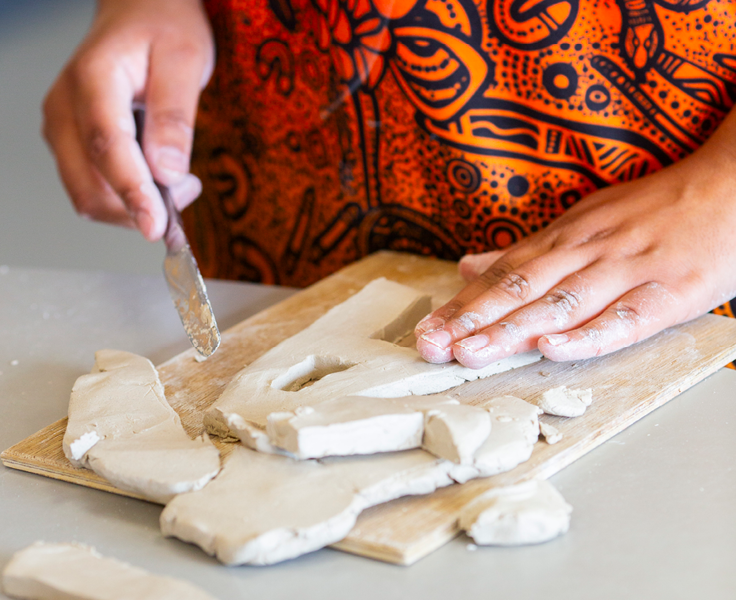
Pottery
Pottery making is a fun and hands-on activity that sparks creativity and imagination in children. From shaping clay to designing their own unique pieces, kids learn to express themselves while developing fine motor skills and patience. With guidance and plenty of encouragement, they’ll experience the joy of turning simple clay into a work of art to treasure forever!
Pizza Making
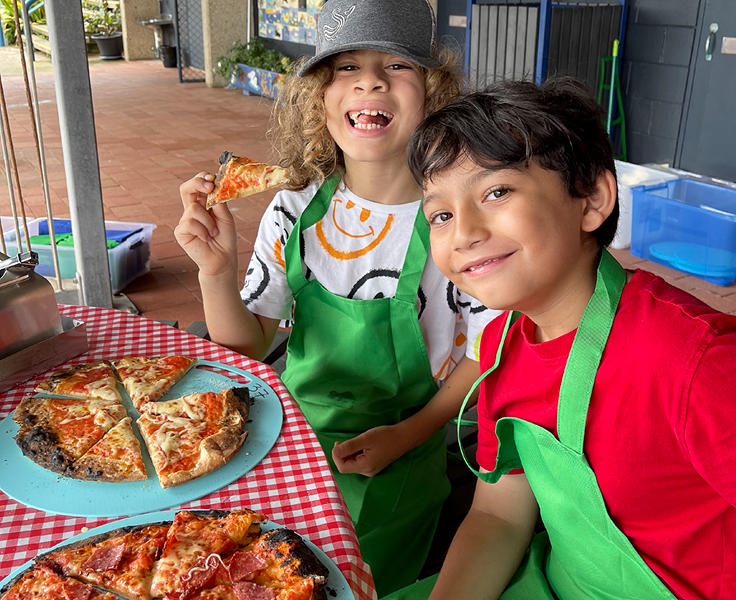
Our Pizza Program is a hit! Students are thrilled to learn hands-on from a local chef, who comes onsite to teach them the art of crafting their own pizzas. From creating and rolling their own dough to firing it up in the pizza oven, they get to enjoy their freshly made pizzas just in time for lunch.
Wood Art
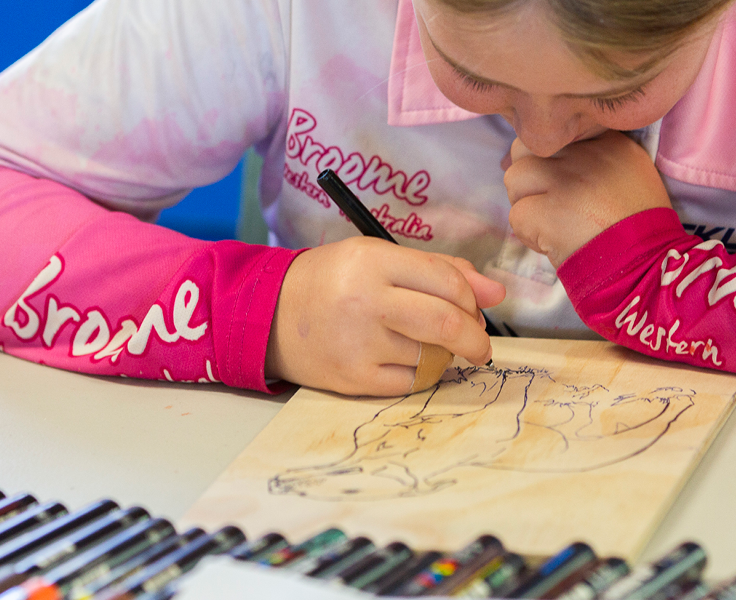
Wood art is a creative and engaging activity where kids get to bring their artistic ideas to life. Using stencils and posca pens children transform their pre cut wooden boards into personalised works of art. This fun and hands-on experience helps develop their creativity, fine motor skills and confidence while allowing them to express their unique style.
Beach Play
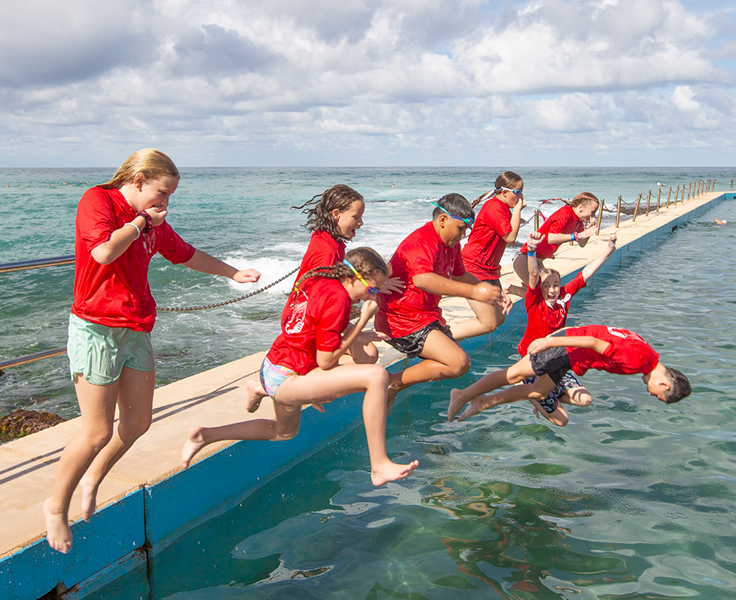
offers students the chance to enjoy the outdoors while building teamwork, resilience and water confidence in a safe, supervised environment. Guided by teachers and lifesavers, children take part in fun games, sand activities and shallow water play, all while learning important lessons about sun safety and respecting the beach environment.
Life Education
Life Education Australia’s Program promotes physical health, safety and social-emotional wellbeing in students. Fun, engaging lessons tackle topics like healthy habits, relationships, cybersafety, emotions and resisting peer pressure.

Surf Education
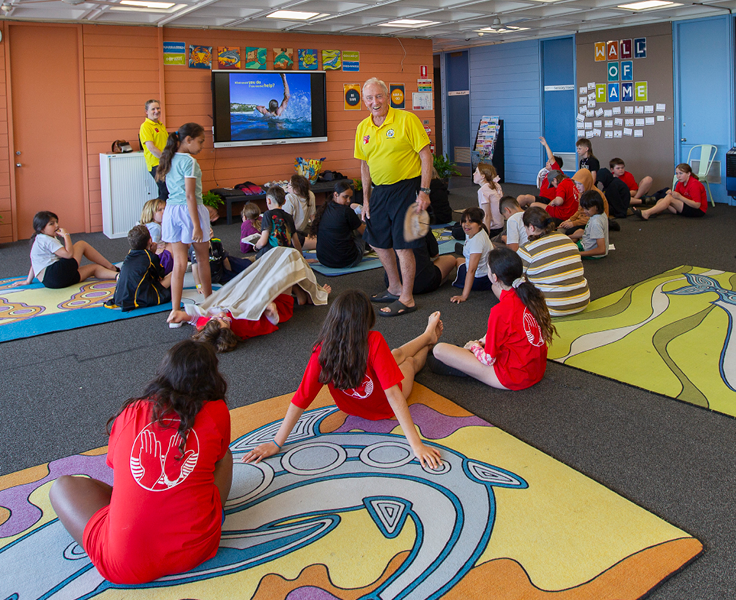
Qualified lifesavers from Surf Life Saving Australia visit our school to teach students essential beach and water safety. Through an engaging lesson, they build awareness, practical skills, confidence and safe behaviours around the beach, ocean and other aquatic environments—helping kids enjoy the water while reducing risks and promoting lifelong safe habits.
Our learning approach
High expectations, student-centred and engaging lessons
At our school, wellbeing is at the heart of everything we do. We focus on supporting students to develop emotional regulation, self-awareness and positive connections with others. These skills form the foundation for learning, resilience and growth both inside and outside the classroom.
Our teaching is student-centred, inclusive and supportive of all learning needs. Teachers use proven strategies and ongoing professional development to create safe, engaging and equitable learning environments.
Our approach includes:
- Wellbeing focus: building self-awareness, regulation skills and positive peer relationships
- Real-world learning: hands-on experiences, collaboration and problem-solving
- Technology integration: developing digital skills to support learning and connection
- Community connections: strengthening belonging through excursions
Adjustments
Stewart House School is committed to catering for students of all abilities by providing an inclusive and supportive learning environment. Our dedicated staff adjust the Social and Emotional Learning program to meet the individual needs of all students. Our school is a nurturing learning environment with a growth mindset in which we support every student to learn skills for life.
Inspire – High potential and gifted education (HPGE)
In our classrooms
Through scaffolded activities, teacher expertise and the valuable support of School Learning Support Officers (SLSOs), we ensure that every student can fully engage in the Stewart House Program. We also support advanced learners by offering engaging lessons and activities designed to help them grow and thrive. During their stay at Stewart House there are numerous opportunities for self-directed learning and pursuing areas of interest and expertise. Students are mentored to engage in high level artistic projects, including clay work baked in a commercial quality kiln. Aboriginal and non-Aboriginal students alike explore Aboriginal histories and cultures, mentored by an expert fulltime Aboriginal Education Officer. Our excursions allow rich, hands-on learning experiences: exploration of geographical sites and urban environments, zoological, marine biology and humanities and social science learning areas are being addressed in our teaching and learning sequences. Opportunities to grow socially and emotionally are at the core of our purpose and peer mentoring and leadership skills are developed for those displaying social-emotional giftedness. Reports to home schools and families at the end of the 12 day residential program note student attainments, and insights into HPGE qualities demonstrated, and we encourage students to pursue passion projects and extension activities once they return to their school communities.
Across our staff
In 2025, all staff participated in professional learning focused on Inspire – High potential and gifted education (HPGE). This training equipped them with the skills and knowledge necessary to effectively identify and nurture a diverse range of student talents, enabling targeted support and development for all learners.
Across the school community
Stewart House School recognises and supports students across all four domains of HPGE—intellectual, creative, social-emotional and physical. Our holistic approach ensures that every student’s individual potential is nurtured, fostering personal growth and development throughout their educational journey. Our students from Aboriginal and/or Torres Strait Islander backgrounds are provided with extensive HPGE opportunities in the creative domain, with mentoring in traditional and contemporary music being provided by our Aboriginal Education Officer Jack Hickey, a proud Kamilaroi man and professional musician.