First Nations' Education
Approximately 30% of the students who attend Stewart House School identify as Aboriginal and/or Torres Strait Islander.
Within our school, we aim to establish understanding of the diversity between hundreds of nations covering this continent, acknowledging country and the very first footprints on this nation belonging to First Nations peoples. Drawing from each other’s experiences in open conversation, we recognise culture in our vicinities and create a space for students to ask hard questions about Aboriginal and Torres Strait Islander culture.
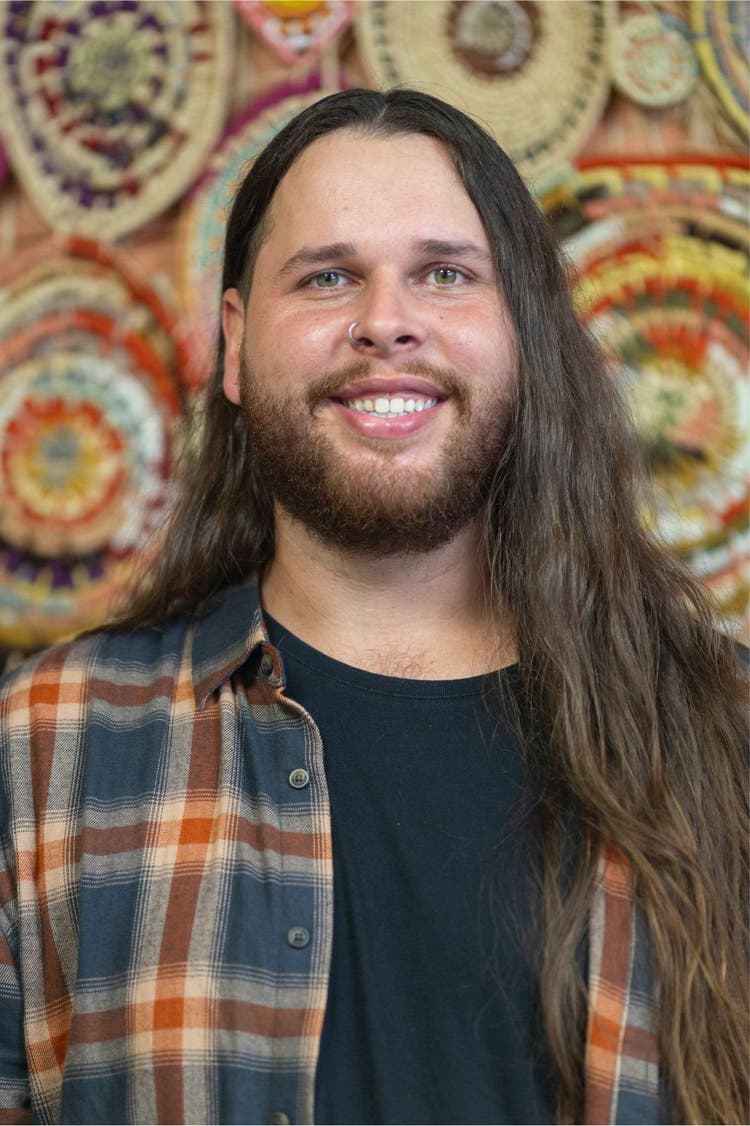
Meet Jack our Aboriginal Education Officer
Our Aboriginal Education Officer, Jack Hickey, is a Gamilaraay man from Quirindi NSW. Jack supports all students within the 6 classes during their stay through Language and Culture. Song is also consistently weaved into the program. Strong foundations are established highlighting sense of place, identity and belonging that underpin student pride.
Followed by ancient instruments, Yidaki (Didgeridoo), clap sticks and singing new songs in Gamilaraay, we reaffirm that we are culturally and spiritually connected to country and that for us, this nation's story began at the dawn of time. Utilising our bush tucker garden, yarning circle and South Curl Curl Beach, students gain a perspective on caring for Country through learning about animals, habitats, plants, kinship relations, land formations and exploring ways to uplift our environment
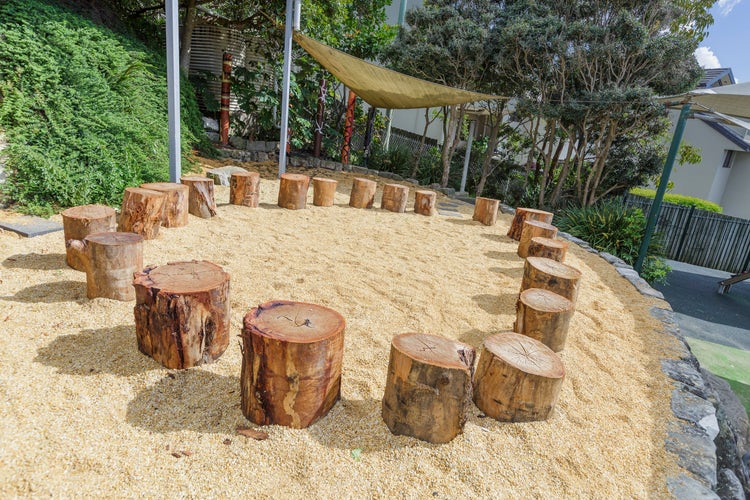
Yarning Circle
Welcome to our School Yarning Circle! This space is dedicated to fostering open dialogue, cultural exchange and deep connections among students, staff and the wider community. Jack will often use this space to run lessons promoting it as a respectful environment where everyone's voice is heard and valued. Whether you're here to listen, learn, or contribute, our Yarning Circle welcomes you!


First Nations' Tools, instruments and Weapons
We are lucky to have a rich array of First Nations' equipment on display in Jacks room.
These items, ranging from traditional tools and artworks to ceremonial objects, offer a unique window into the history and heritage of First Nations' peoples.
Our display isn't just about showcasing them, but also about sharing the stories and traditions that they represent. It's a great way for students to learn and appreciate the diverse cultures that enrich our community.

First Nations' Cooking
First Nations' cooking is a celebration of the native ingredients found in the Australian bush, often referred to as "bush tucker." This culinary tradition includes a wide variety of unique foods that have been used by First nations' peoples for thousands of years. Here are a few examples:
- Bush Tomatoes (Kutjera): These small, tangy fruits are often dried and used in sauces, chutneys, and as a seasoning in various dishes.
- Wattleseed: Harvested from Acacia trees, wattleseed is roasted and ground to produce a flour that has a nutty flavor. It’s commonly used in breads, damper (a type of traditional bread), and even desserts.
- Lemon Myrtle: This aromatic herb has a lemony flavor and is used to season fish, chicken, and various sauces. It’s also popular in teas and desserts.
- Kangaroo: A lean and flavorful meat, kangaroo is often cooked in stews, grilled, or roasted. It's a staple in traditional First Nations diets and is now widely enjoyed across Australia.
- Bush Honey: Collected from native bees, bush honey is used to sweeten foods and is valued for its distinct flavor.
In our school, students have the opportunity to explore these ingredients, creating traditional recipes like:
- Bush Tucker Chocolate: Combining native ingredients like wattleseed and bush honey with chocolate for a unique treat.
- Damper: A simple, traditional bread that can be enhanced with native seeds and herbs from our Bush Tucker Garden.
These cooking activities help students appreciate the richness of First Nations' culture and the sustainable practices that have been used for generations.
Weaving


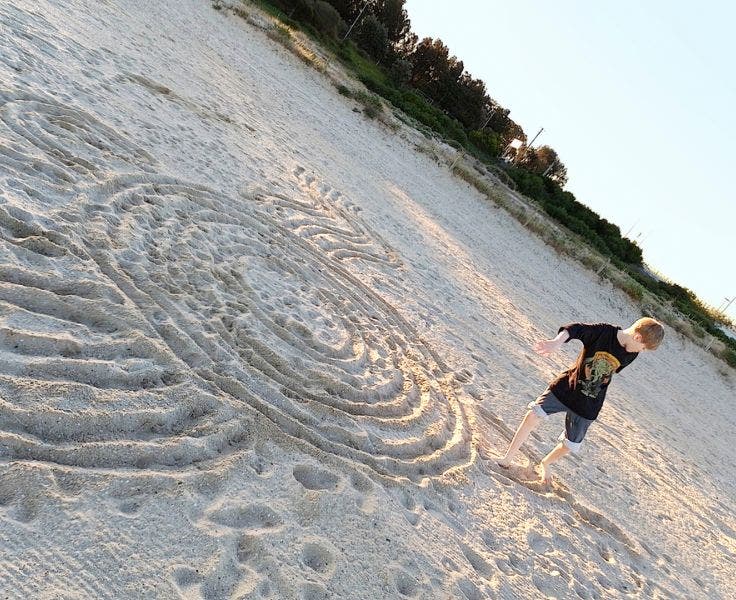
Sand-art

Our Bush Tucker Garden
